
Description
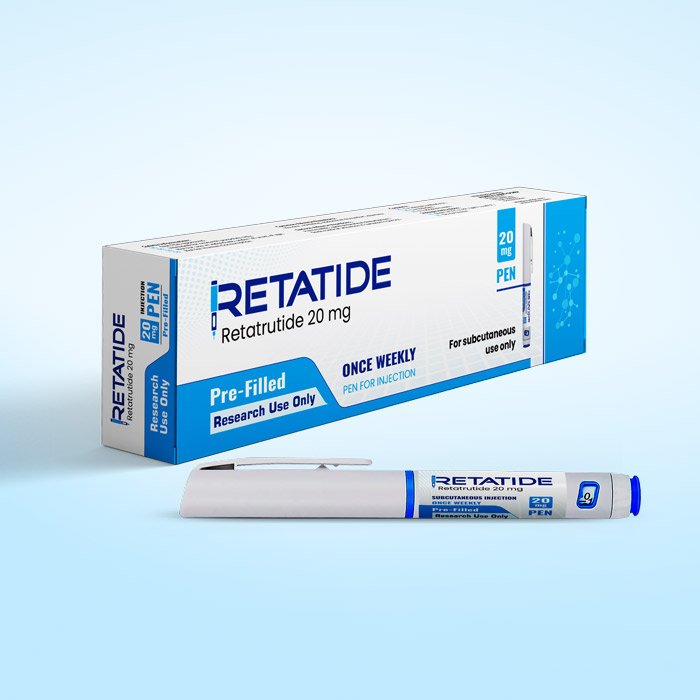
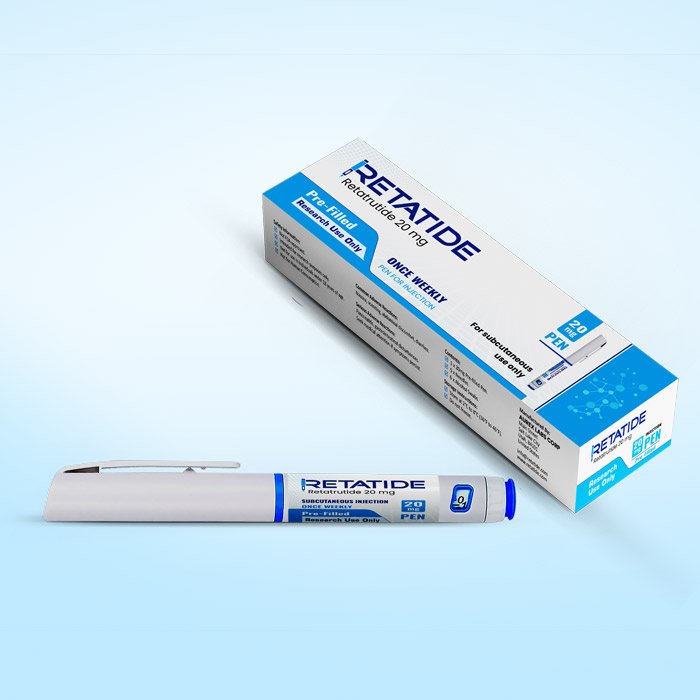
Buy Retatrutide 20mg
Retatrutide 20mg is a research presentation of retatrutide (LY3437943), an investigational peptide that has attracted significant interest in metabolic, obesity, and weight-loss research. Unlike compounds that activate one or two hormone receptors, retatrutide is being investigated for its activity across three pathways: the GIP receptor, GLP-1 receptor, and glucagon receptor.
Interest in retatrutide has also increased around related searches such as Retatrutide 20mg UK, Retatrutide UK, Retatrutide weight loss, Retatrutide peptide, and Retatrutide vs tirzepatide.
The 20mg designation refers to the stated amount of material in this research presentation. It should not be interpreted as a recommended, approved, or standard clinical dose.
What Is Retatrutide 20mg?
Retatrutide, also known as LY3437943, is an investigational peptide compound being studied for its effects on metabolic signaling and body weight.
Its primary area of scientific interest is its triple-receptor activity, involving:
- GIP receptor
- GLP-1 receptor
- Glucagon receptor
This differentiates retatrutide from several better-known metabolic compounds. Semaglutide primarily activates the GLP-1 receptor, while tirzepatide activates both GIP and GLP-1 receptors. Retatrutide is being investigated for the additional activity of the glucagon receptor.
This combination makes retatrutide an important subject of ongoing research into appetite regulation, energy balance, glucose metabolism, and metabolic signaling. Retatrutide Clinical Trial — ClinicalTrials.gov
How Does Retatrutide Work?
Research into how retatrutide works focuses on the combined effects of three hormone-signaling pathways.
GLP-1 signaling is associated with appetite regulation, glucose metabolism, and gastric emptying. GIP is an incretin hormone involved in insulin and metabolic signaling. Glucagon has important functions related to glucose regulation and energy metabolism.
By activating all three receptor pathways, retatrutide represents a different pharmacological approach from single- and dual-receptor agonists.
Researchers are continuing to investigate how this combination may influence body weight, energy expenditure, appetite, glucose regulation, and other metabolic outcomes.
Retatrutide and Weight-Loss Research
Retatrutide weight loss is one of the major areas of interest surrounding this investigational compound.
Clinical research has examined different retatrutide regimens in adults with overweight or obesity. In a Phase 2 clinical trial involving 338 adults, participants receiving different doses of retatrutide were followed for 48 weeks.
In the published study, participants receiving the studied 12mg regimen experienced an average body-weight reduction of 24.2% at 48 weeks, compared with 2.1% for the placebo group.
The trial also evaluated lower regimens, including 1mg, 4mg, and 8mg.
These findings should be interpreted strictly within the context of the clinical-trial protocols in which they were obtained. Clinical-trial results do not establish that a 20mg research presentation is an approved or recommended treatment dose.
Retatrutide vs Semaglutide vs Tirzepatide
One of the simplest ways to compare these compounds is by looking at their receptor activity.
| Compound | Primary receptor activity |
|---|---|
| Semaglutide | GLP-1 receptor |
| Tirzepatide | GIP + GLP-1 receptors |
| Retatrutide | GIP + GLP-1 + glucagon receptors |
Retatrutide vs Tirzepatide
The main distinction in Retatrutide vs tirzepatide is receptor activity.
Tirzepatide is a dual GIP and GLP-1 receptor agonist, whereas retatrutide is being investigated as a triple agonist involving GIP, GLP-1, and glucagon receptors.
The additional glucagon-receptor activity is one of the reasons retatrutide has generated considerable interest in metabolic research.
However, having activity at an additional receptor does not automatically mean that one compound is clinically superior to another. Their safety, efficacy, dosing, and appropriate applications must be evaluated through the relevant scientific and regulatory evidence.
What Does Retatrutide 20mg Mean?
The term Retatrutide 20mg describes the stated quantity of retatrutide contained in a particular research presentation.
It is important to distinguish the amount contained in a research product from a clinical dosage.
Published clinical studies have evaluated specific retatrutide dosing regimens under controlled research conditions. The Phase 2 obesity study evaluated doses up to 12mg, meaning that the 20mg product designation should not be interpreted as a standard clinical dose.
For this reason, research findings involving particular clinical-trial doses should not automatically be applied to a 20mg research presentation.
Retatrutide 20mg UK Research Considerations
For researchers looking into Retatrutide 20mg UK, product documentation and analytical information are important considerations.
Before evaluating a research peptide, researchers should consider:
- Batch identification
- Stated purity
- Analytical testing
- Batch traceability
- Certificate of Analysis (COA)
- Storage information
- Reconstitution information
- Independent analytical verification
A batch-specific Certificate of Analysis can provide important information about the analytical testing associated with a particular batch.
Because retatrutide remains an investigational compound, scientific findings should always be considered in the context of the research protocol, study population, formulation, dose, and analytical methods involved.
Retatrutide 20mg Research Peptide Specifications
The research presentation described on this page includes the following stated specifications:
- ≥99% stated purity by HPLC
- Unique batch identification
- Independent third-party verification
- Storage guidance
- Reconstitution guidance
- Batch-specific documentation where available
Analytical specifications should be verified against the documentation supplied for the specific batch.
Why Is Retatrutide Important in Metabolic Research?
Retatrutide is particularly interesting because it combines GIP, GLP-1, and glucagon receptor activity within a single investigational molecule.
This provides researchers with an opportunity to study interactions between multiple metabolic signaling pathways rather than examining a single receptor pathway in isolation.
Current research interest includes areas such as:
- Metabolic signaling
- Energy balance
- Appetite regulation
- Glucose metabolism
- Body-weight regulation
- GIP signaling
- GLP-1 signaling
- Glucagon signaling
- Obesity research
As additional clinical and scientific research becomes available, the understanding of retatrutide’s potential applications and safety profile may continue to develop.
Frequently Asked Questions About Retatrutide 20mg
What is Retatrutide 20mg?
Retatrutide 20mg refers to a research presentation containing a stated 20mg quantity of retatrutide (LY3437943). The 20mg amount should not be interpreted as an approved or recommended clinical dose.
Is Retatrutide the same as semaglutide?
No. Semaglutide primarily acts through the GLP-1 receptor, whereas retatrutide is being investigated for activity at GIP, GLP-1, and glucagon receptors.
What is the difference between Retatrutide and tirzepatide?
Tirzepatide activates GIP and GLP-1 receptors. Retatrutide is being investigated as a triple-receptor agonist involving GIP, GLP-1, and glucagon receptors.
What is Retatrutide also called?
Retatrutide is also known by its development name LY3437943.
Is Retatrutide 20mg a clinical dose?
The 20mg designation describes the amount of material in this research presentation. It should not be treated as an approved or recommended clinical dosage.
Why is retatrutide being studied for weight loss?
Retatrutide’s combined GIP, GLP-1, and glucagon receptor activity has made it an important subject of research into body weight, appetite, energy metabolism, and related metabolic processes.
Important Research Notice
Retatrutide is an investigational compound and is not presented here as an approved medicine or as a recommendation for the diagnosis, treatment, cure, or prevention of any disease.
Information about clinical trials and weight-loss outcomes applies to the specific research protocols in which those results were obtained. It should not be interpreted as evidence that a Retatrutide 20mg research presentation is equivalent to a clinical treatment or approved dosage.
Researchers should review the relevant scientific literature, analytical documentation, regulatory information, and batch-specific testing before conducting research.
Reviews
There are no reviews yet.